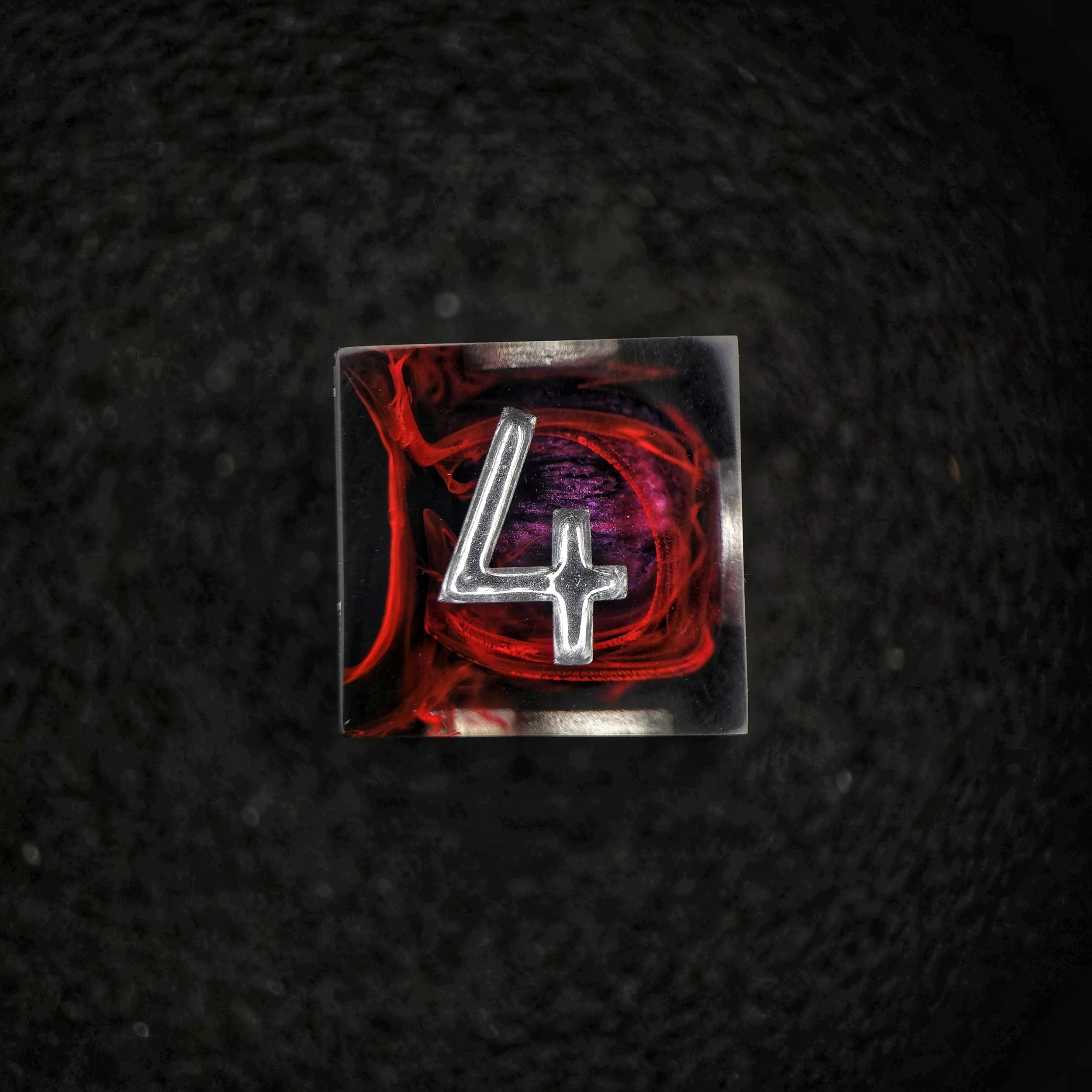
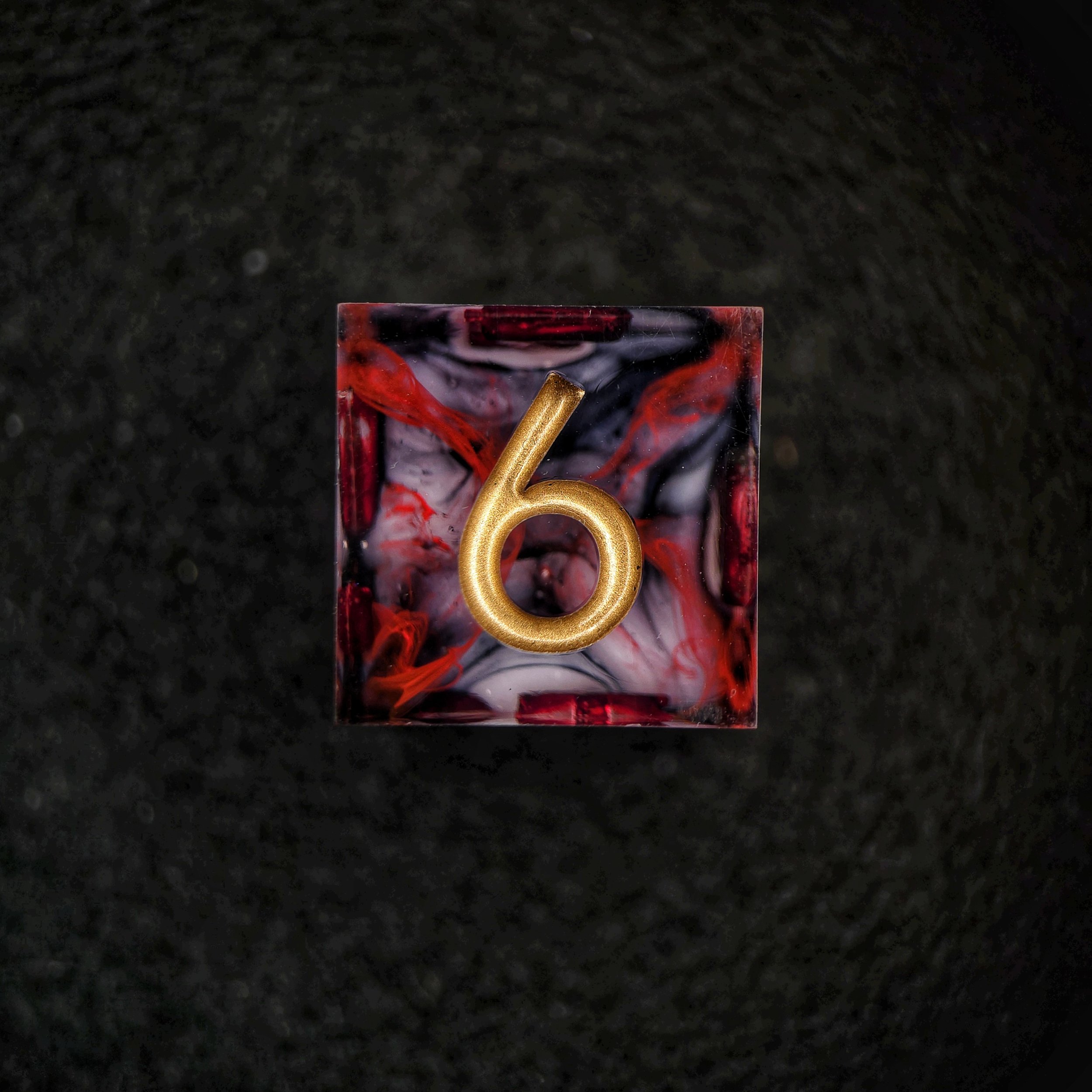
 Image 1 of 3
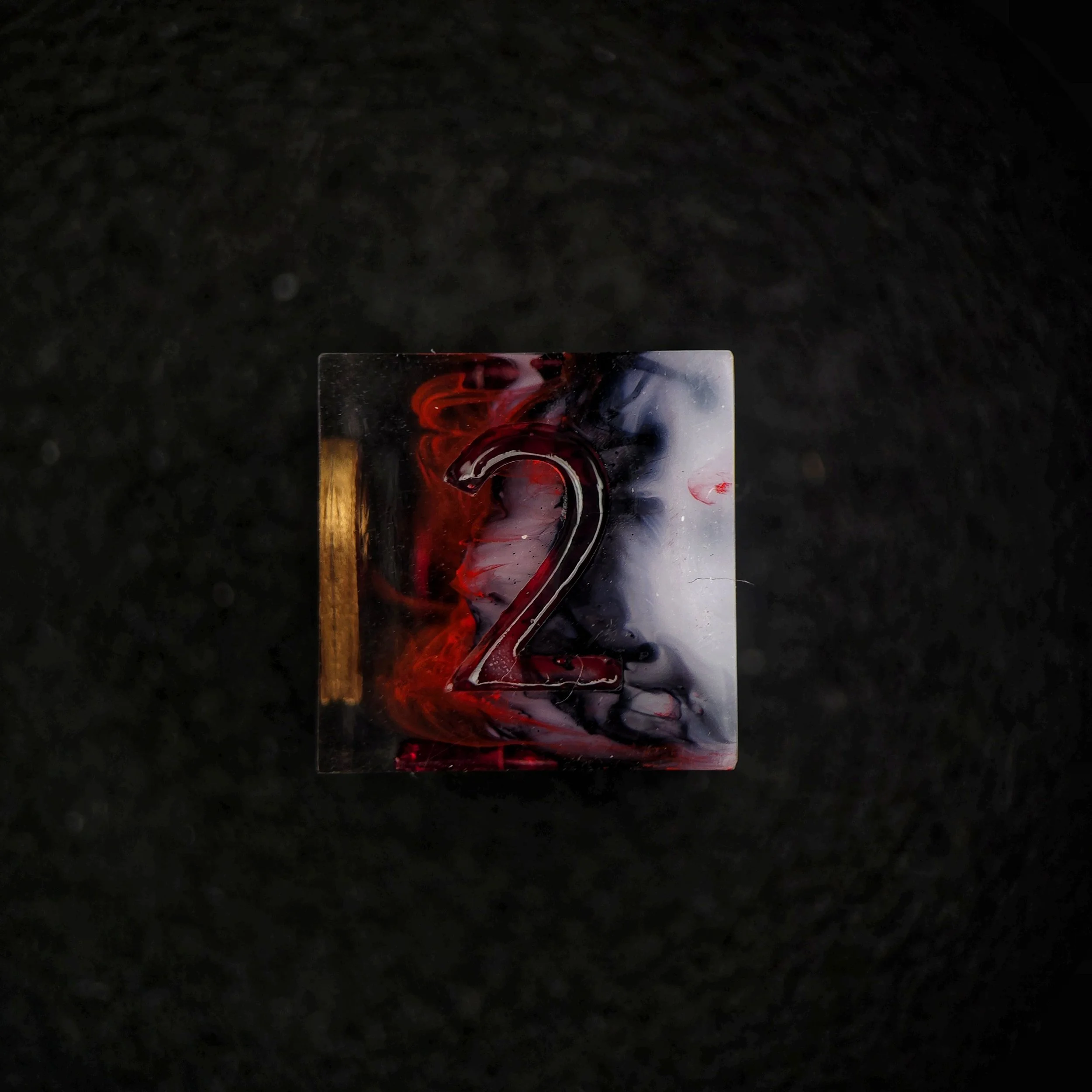 Image 2 of 3
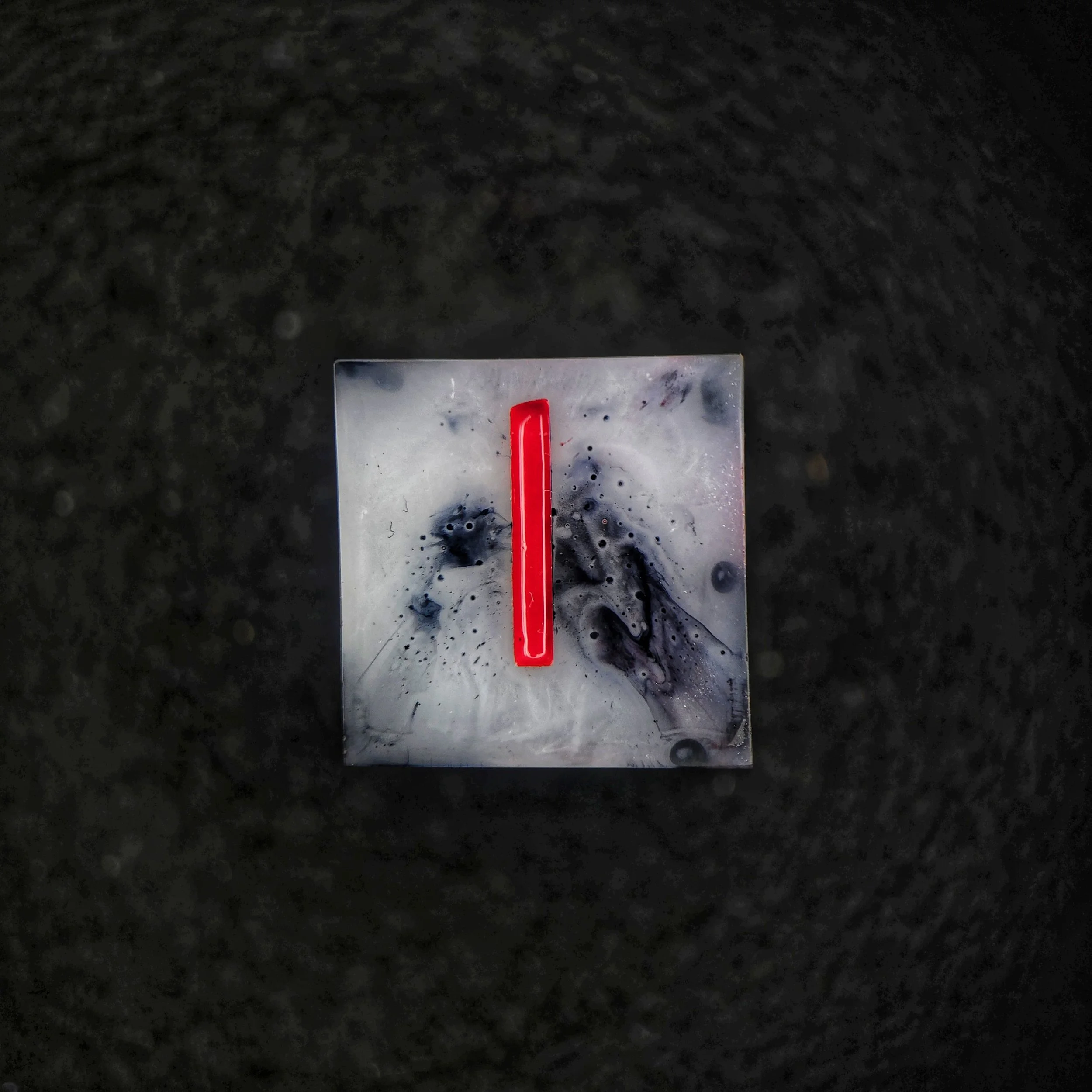 Image 3 of 3
No altar remembers the name of the one who paid.
No god records the debt as settled.
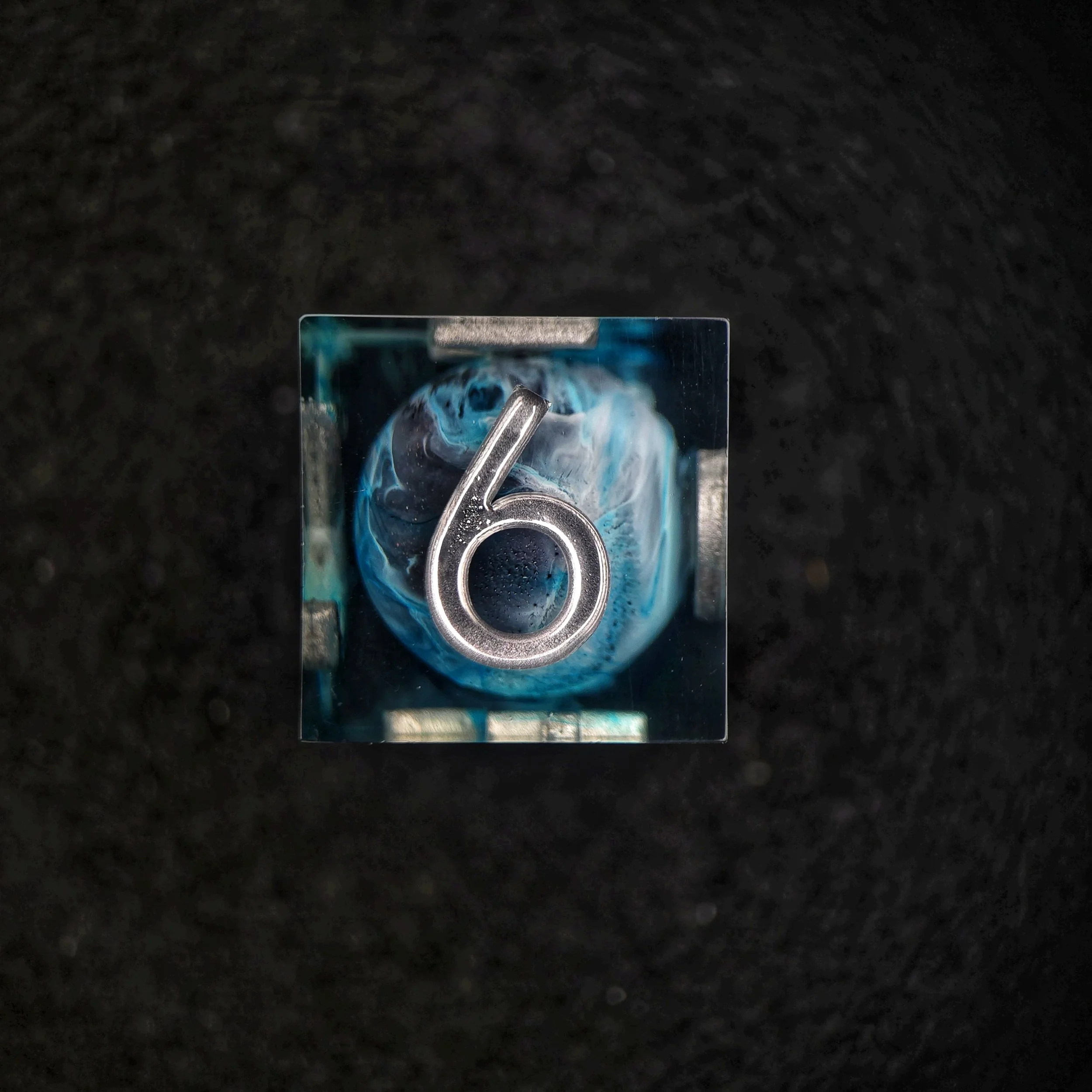
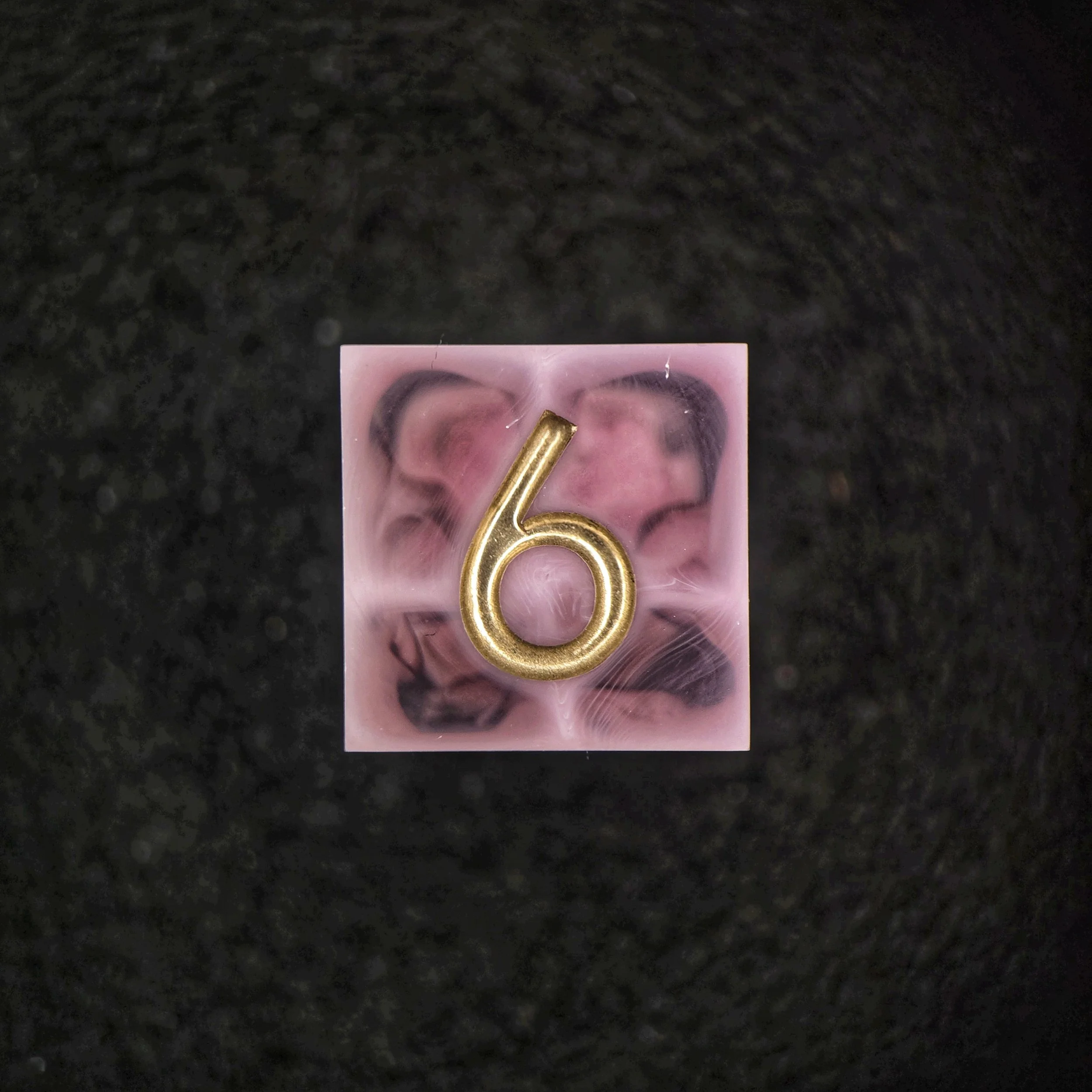
These relics were cast from the moment after the offering—when the blood had dried, the plea had been answered, and yet the air still felt expectant. The ritual succeeded. The power was granted. But the silence that followed carried a truth far crueler than refusal.
The price was never the sacrifice itself.
It was what lingered.
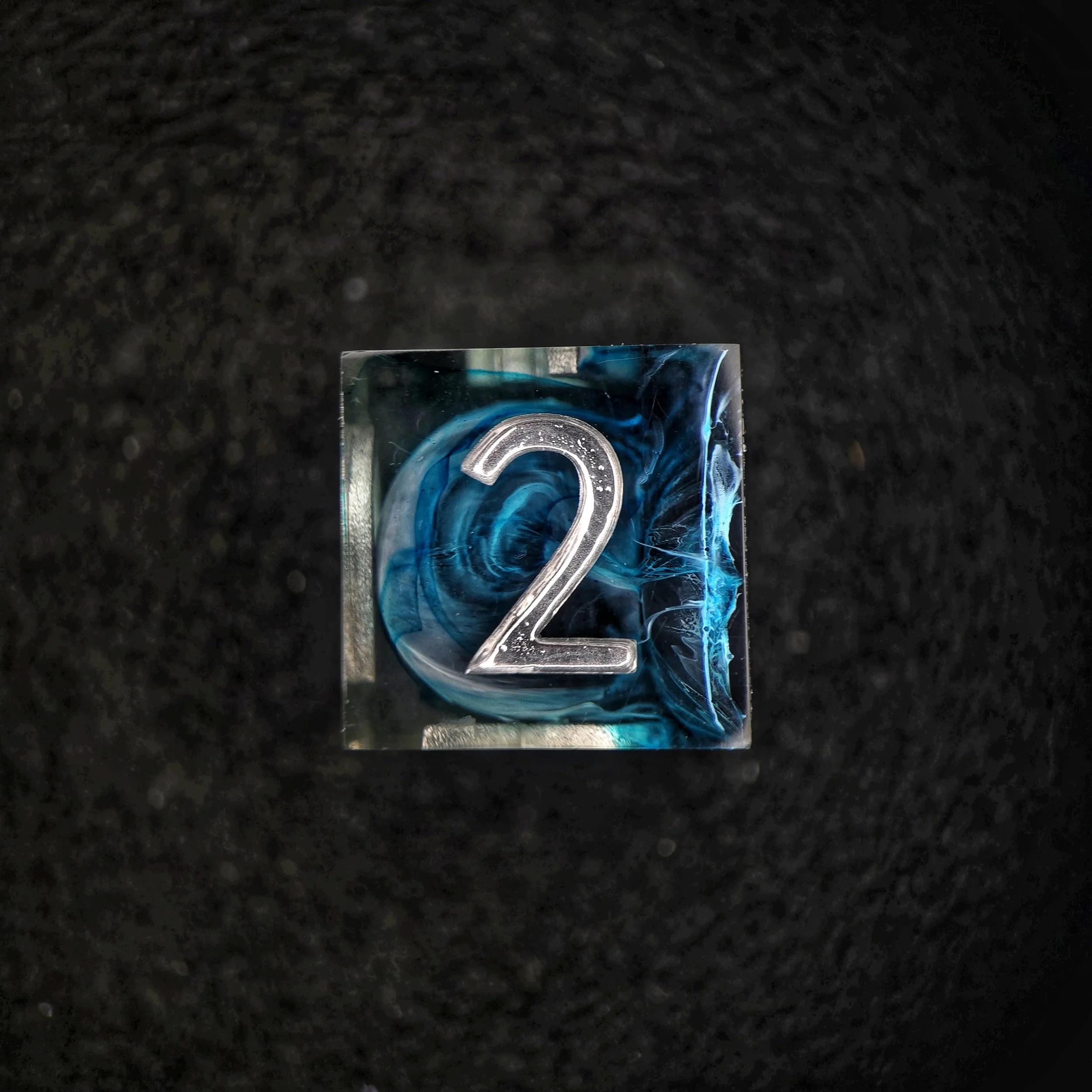
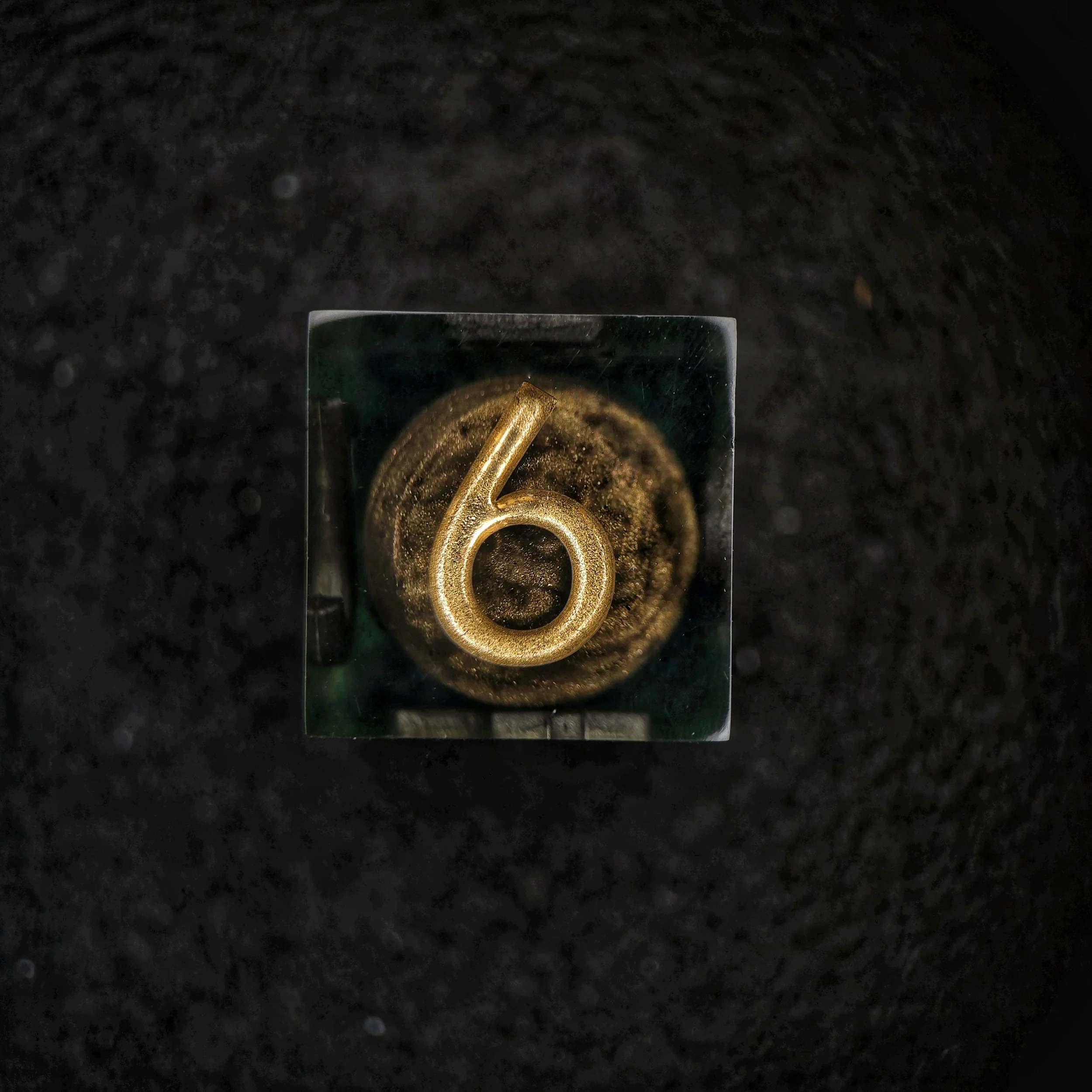
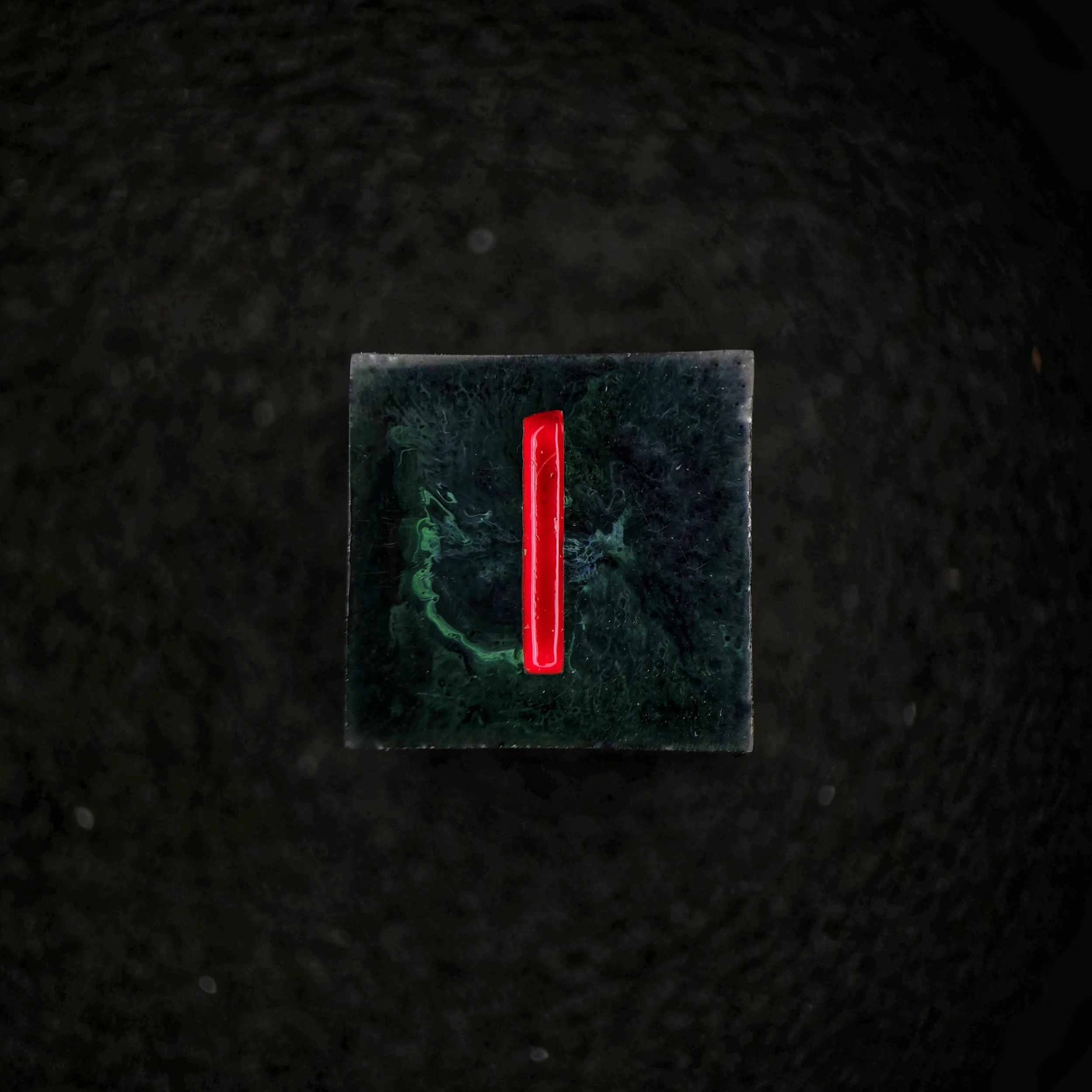
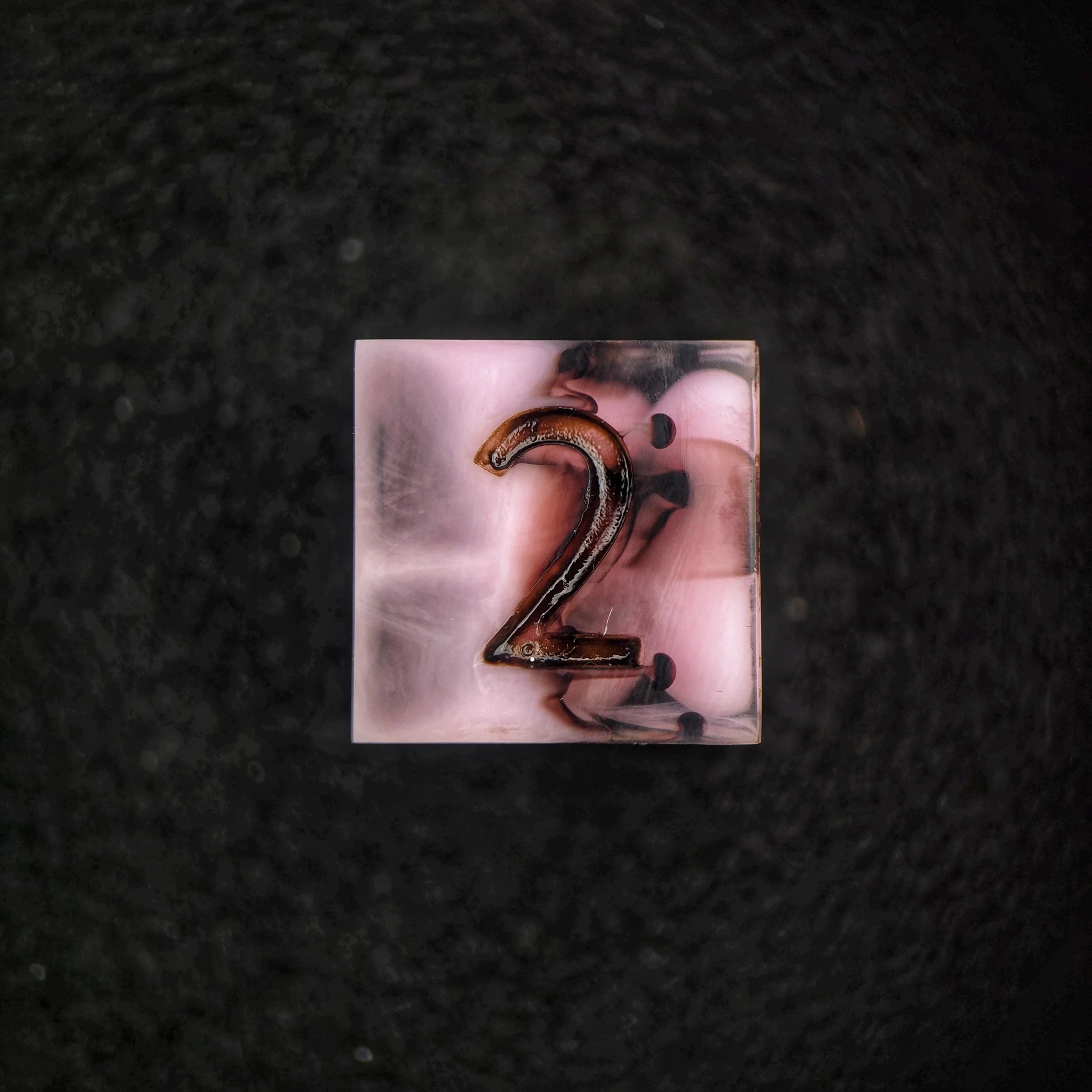
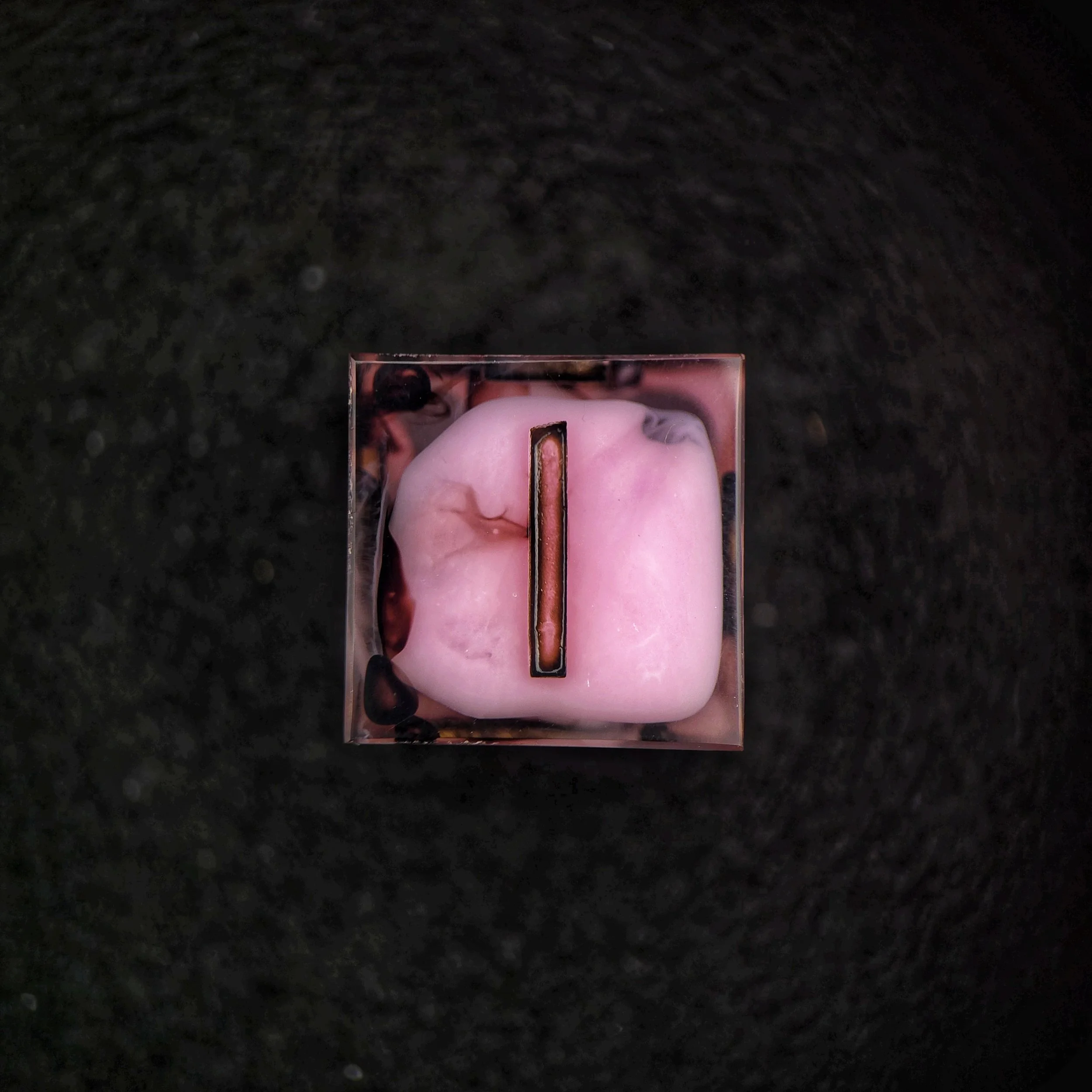
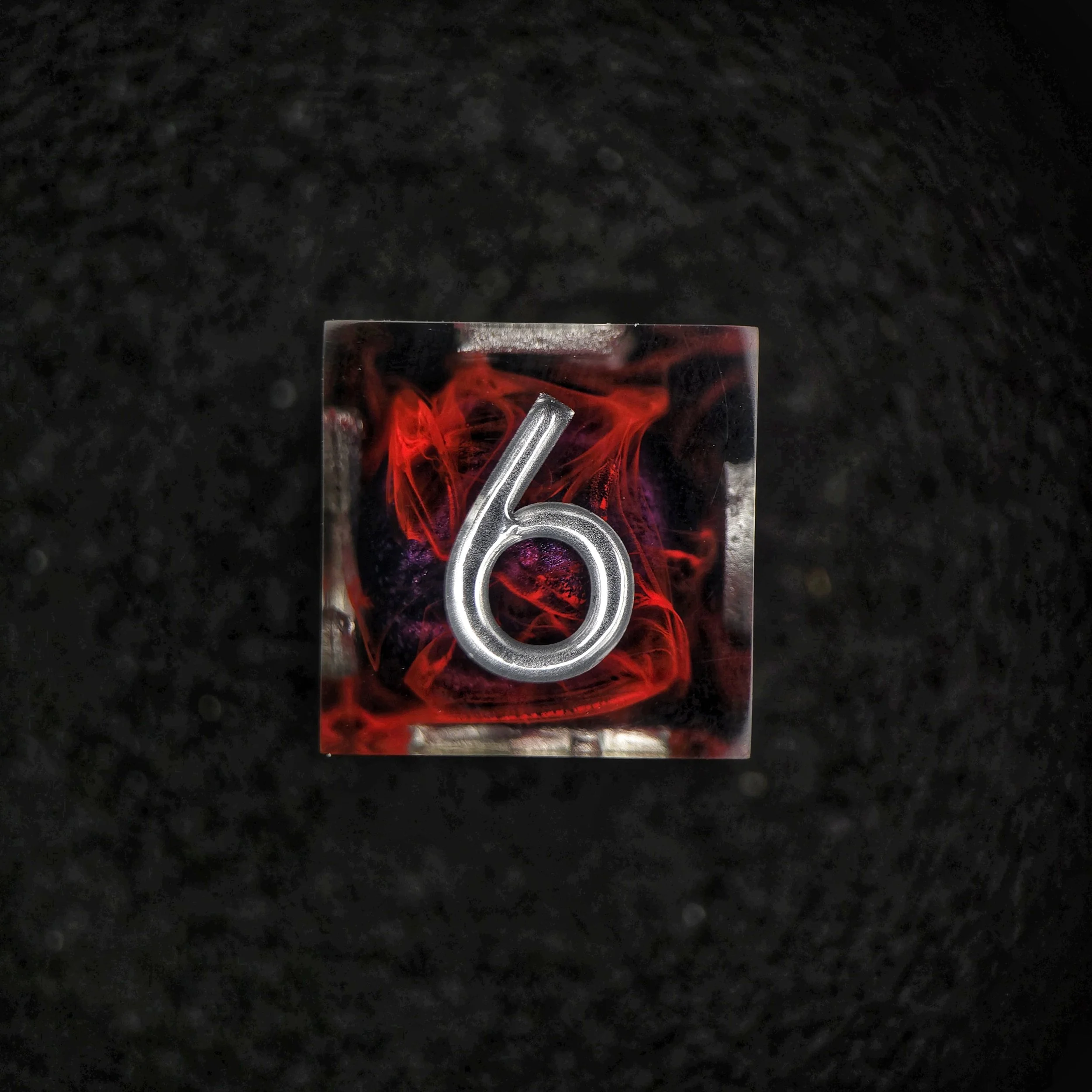
Veins of red remain suspended in pale resin like threads that were cut too late, marking where fate tugged and did not let go. The misted depths speak of time collapsing inward—past devotion, present consequence, future obligation all pressed together, indistinguishable.
Those who wield The Price Remains often feel watched not by a patron, but by the debt itself. Each roll is a reminder: bargains do not end when payment is made. They endure, patient and exacting, waiting for the next moment they are owed.
The offering was accepted.
Still, the price remains.
No altar remembers the name of the one who paid.
No god records the debt as settled.
These relics were cast from the moment after the offering—when the blood had dried, the plea had been answered, and yet the air still felt expectant. The ritual succeeded. The power was granted. But the silence that followed carried a truth far crueler than refusal.
The price was never the sacrifice itself.
It was what lingered.
Veins of red remain suspended in pale resin like threads that were cut too late, marking where fate tugged and did not let go. The misted depths speak of time collapsing inward—past devotion, present consequence, future obligation all pressed together, indistinguishable.
Those who wield The Price Remains often feel watched not by a patron, but by the debt itself. Each roll is a reminder: bargains do not end when payment is made. They endure, patient and exacting, waiting for the next moment they are owed.
The offering was accepted.
Still, the price remains.